
Asphalt Repaving vs. Resurfacing: What Hopkinton, MA, Homeowners Need to Know in 2026
Choosing between resurfacing and full replacement is one of the most common questions Hopkinton, MA, homeowners face when a driveway starts to show its age. Understanding the difference can save significant time, money, and frustration. This guide explains what each option involves, how Hopkinton's harsh winters factor in, and when asphalt repaving in Hopkinton, MA, is the right call versus a lighter resurfacing approach.
What Is the Difference Between Resurfacing and Full Repaving?
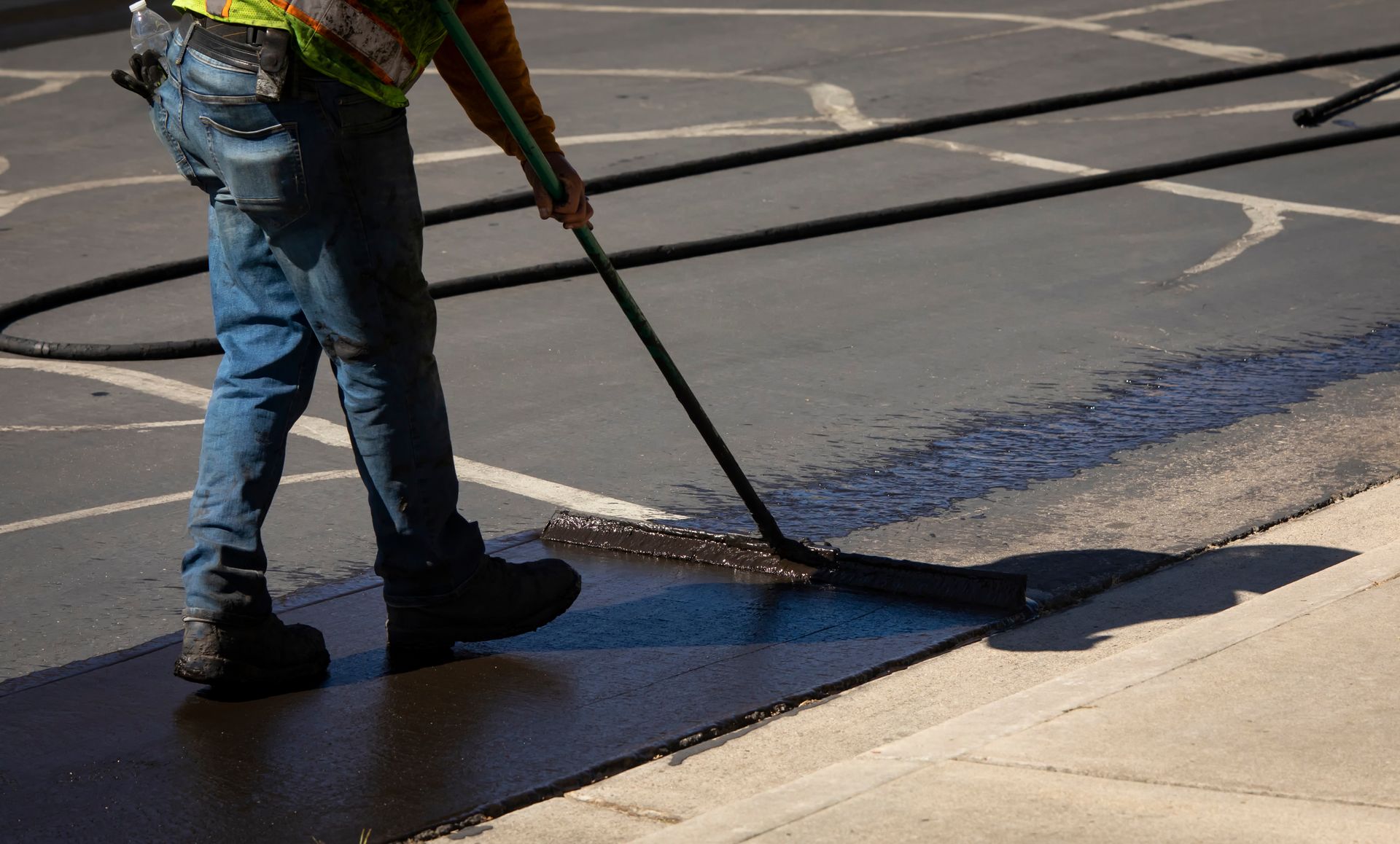
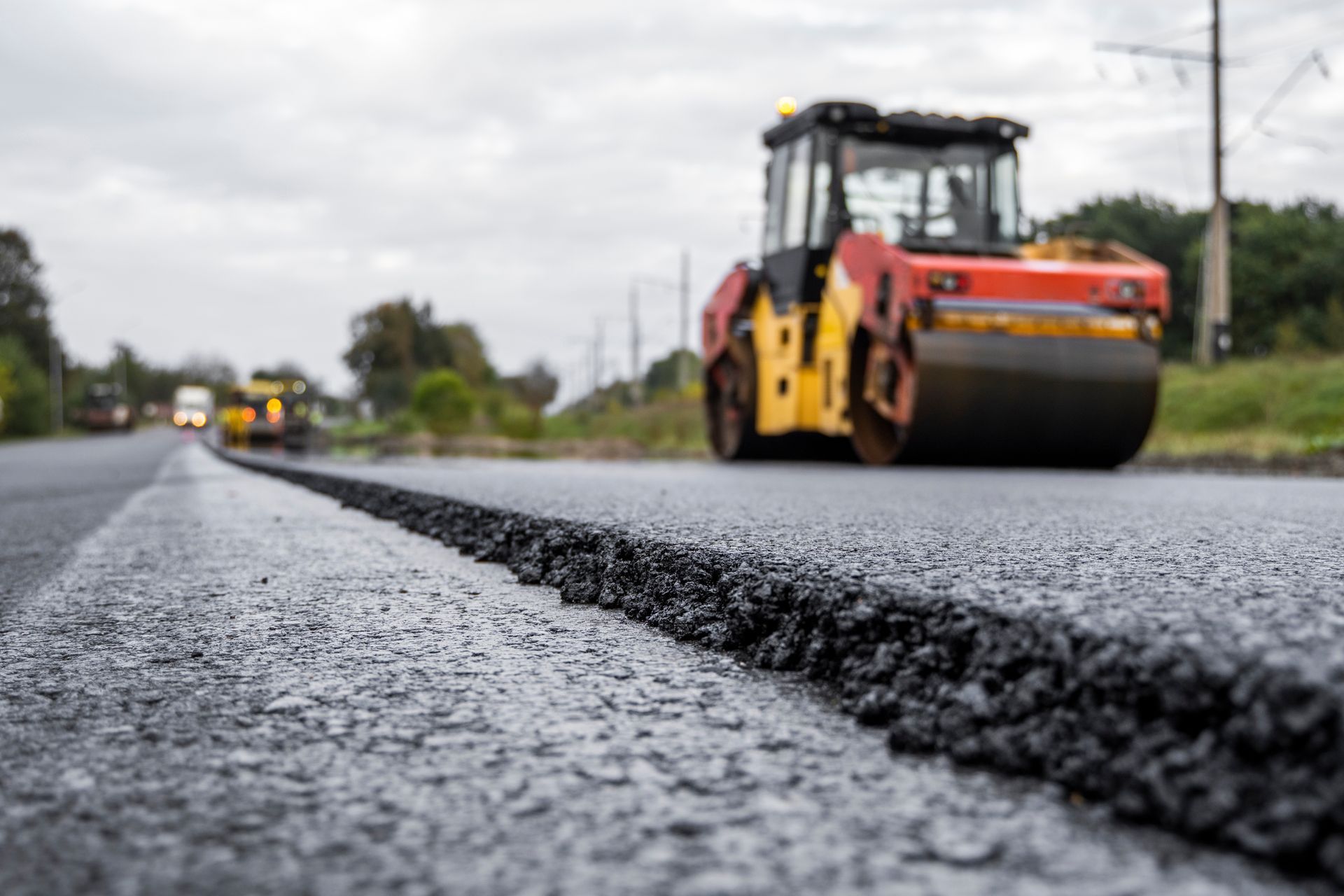
Resurfacing, sometimes called an overlay, adds a new layer of hot-mix asphalt on top of an existing surface. Full repaving removes the old material entirely, repairs or replaces the base layer, and installs fresh asphalt from the ground up.
Resurfacing works best when existing pavement is structurally sound but shows surface-level wear such as minor cracking, fading, or light raveling. If the base is compromised, adding a new top layer won't solve the underlying problem. A qualified contractor will assess the sub-base condition before recommending either option.
How Do Hopkinton Winters Affect Your Driveway?
Central Massachusetts winters put exceptional stress on asphalt driveways. Freeze-thaw cycles are a primary culprit. Water seeps into small cracks, freezes, expands, and forces those cracks wider. Hopkinton homeowners along West Main Street or near Fruit Street experience this pattern every season.
Road salt adds another layer of stress, degrading the binder that holds asphalt together and making the surface brittle over time. Homes on larger lots common in Hopkinton's rural and semi-rural areas feature longer driveways, which means greater surface area exposed to these seasonal forces.
A driveway with a compromised sub-base won't survive repeated freeze-thaw events with resurfacing alone. Damage tends to reflect through a new overlay within a season or two. In those cases, asphalt repaving in Hopkinton, MA, addresses the root problem rather than masking it.
Signs Your Driveway Needs Full Repaving, Not Just Resurfacing
The following conditions typically indicate that a full repave is necessary. Alligator cracking (a web-like pattern covering large sections) signals base failure and cannot be fixed with an overlay. Potholes that return after patching suggest the sub-base is no longer supporting the surface. Significant sinking or uneven areas point to drainage issues or a failed foundation. A driveway more than 20 to 25 years old has likely reached the end of its functional lifespan, making resurfacing a short-term fix at best.
If your driveway shows only surface oxidation, minor hairline cracking, or light texture loss, resurfacing may extend its life by several years.
Comparing the Key Factors: Resurfacing vs. Repaving
Scope of Work. Resurfacing is faster and keeps disruption to a minimum. Full repaving takes longer because it involves removal of old asphalt, sub-base inspection, possible grading, and full installation.
Longevity. A well-installed overlay on a sound base can add several years of life. A full repave with proper base preparation can deliver a driveway that lasts two decades or more with routine maintenance such as sealcoating.
Cost Investment. Resurfacing carries a lower upfront cost. However, if the base is failing, that savings can disappear quickly when the overlay breaks down prematurely. A full repave costs more initially but is often the more economical choice over a 10- to 20-year horizon.
Environmental Note. Asphalt is one of the most recycled materials in the United States. Old asphalt removed during a full repave can be ground up and reused as reclaimed asphalt pavement, making asphalt repaving in Hopkinton, MA, a relatively eco-friendly option compared to alternative paving materials.
When Resurfacing Makes Sense for Hopkinton Homeowners
Resurfacing may be appropriate when the driveway is 10 to 15 years old with surface wear but no structural cracking, the sub-base is confirmed stable and draining properly, or surface oxidation and minor cracking are limited to less than a quarter of the driveway area. A professional inspection is the only reliable way to confirm which option applies; visual assessment alone can miss sub-base problems that will undermine any surface work.
What Does the Repaving Process Typically Involve?
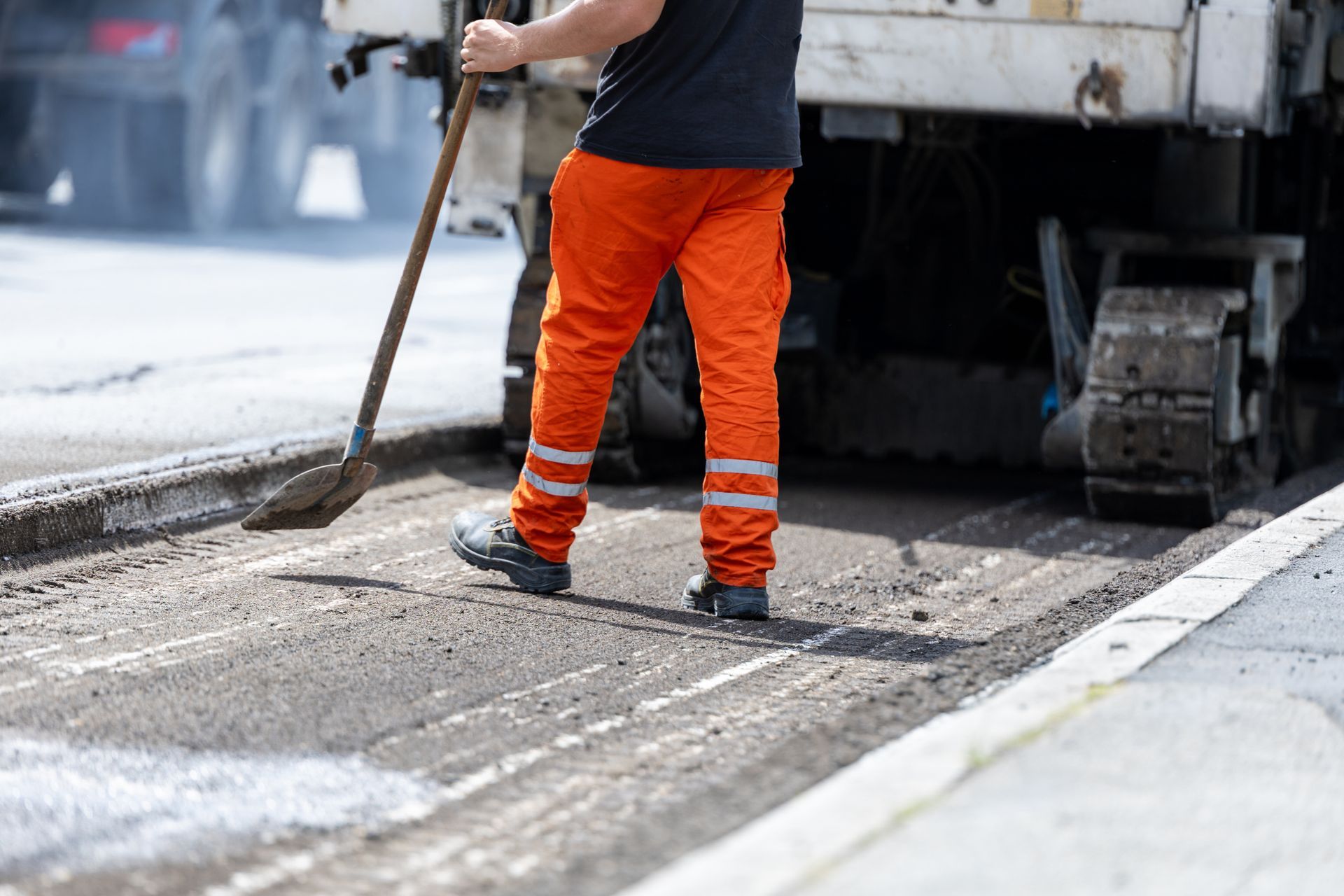
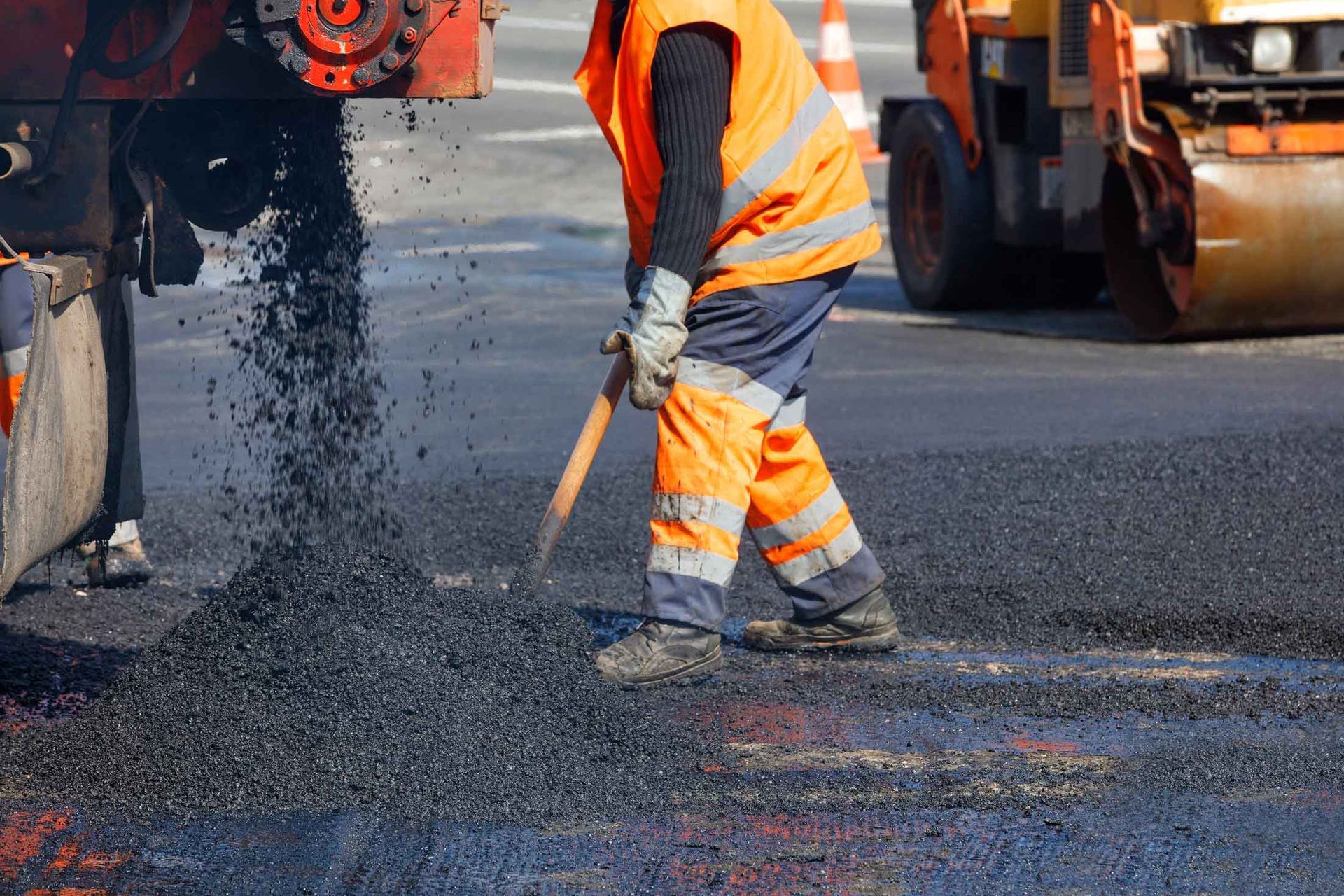
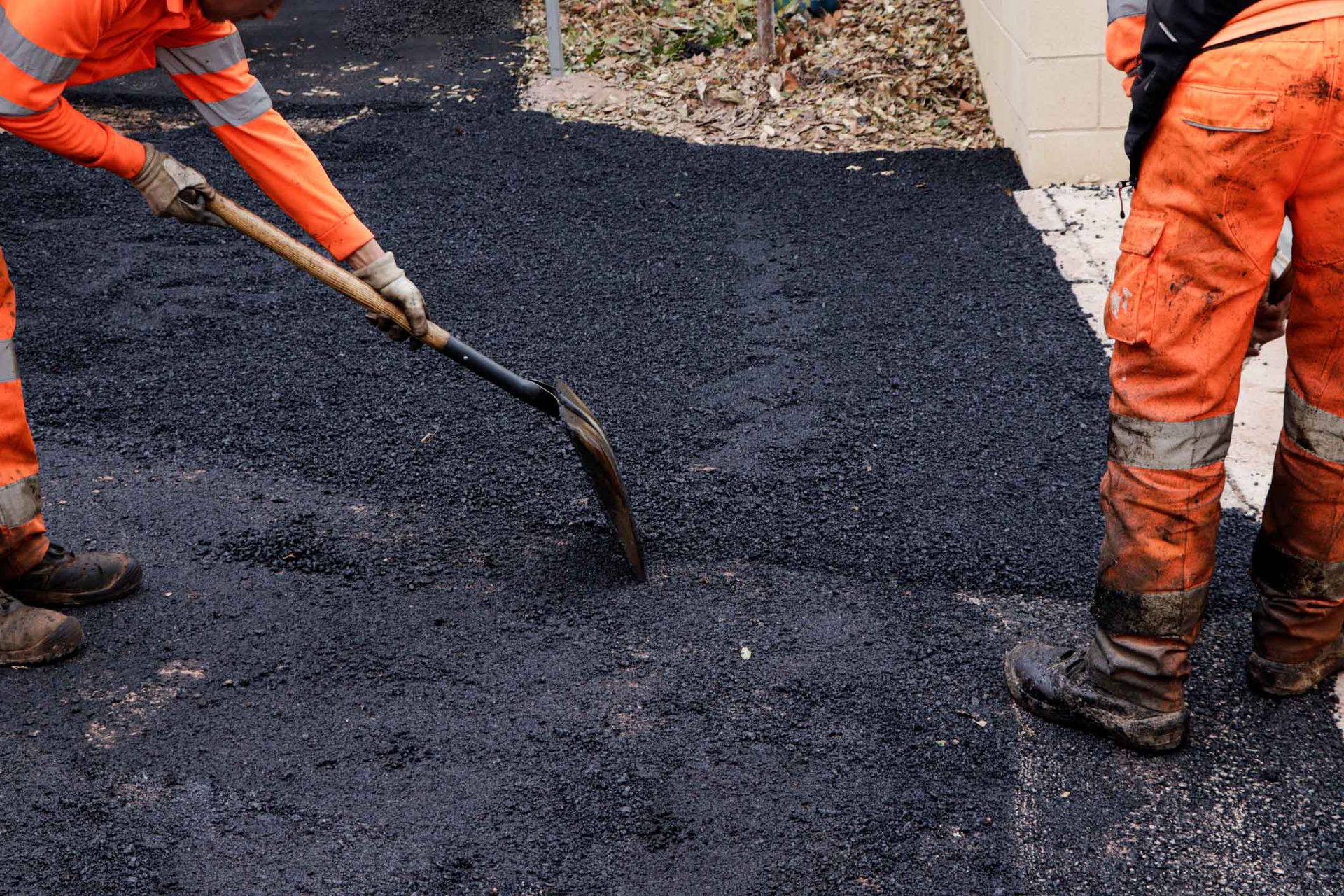
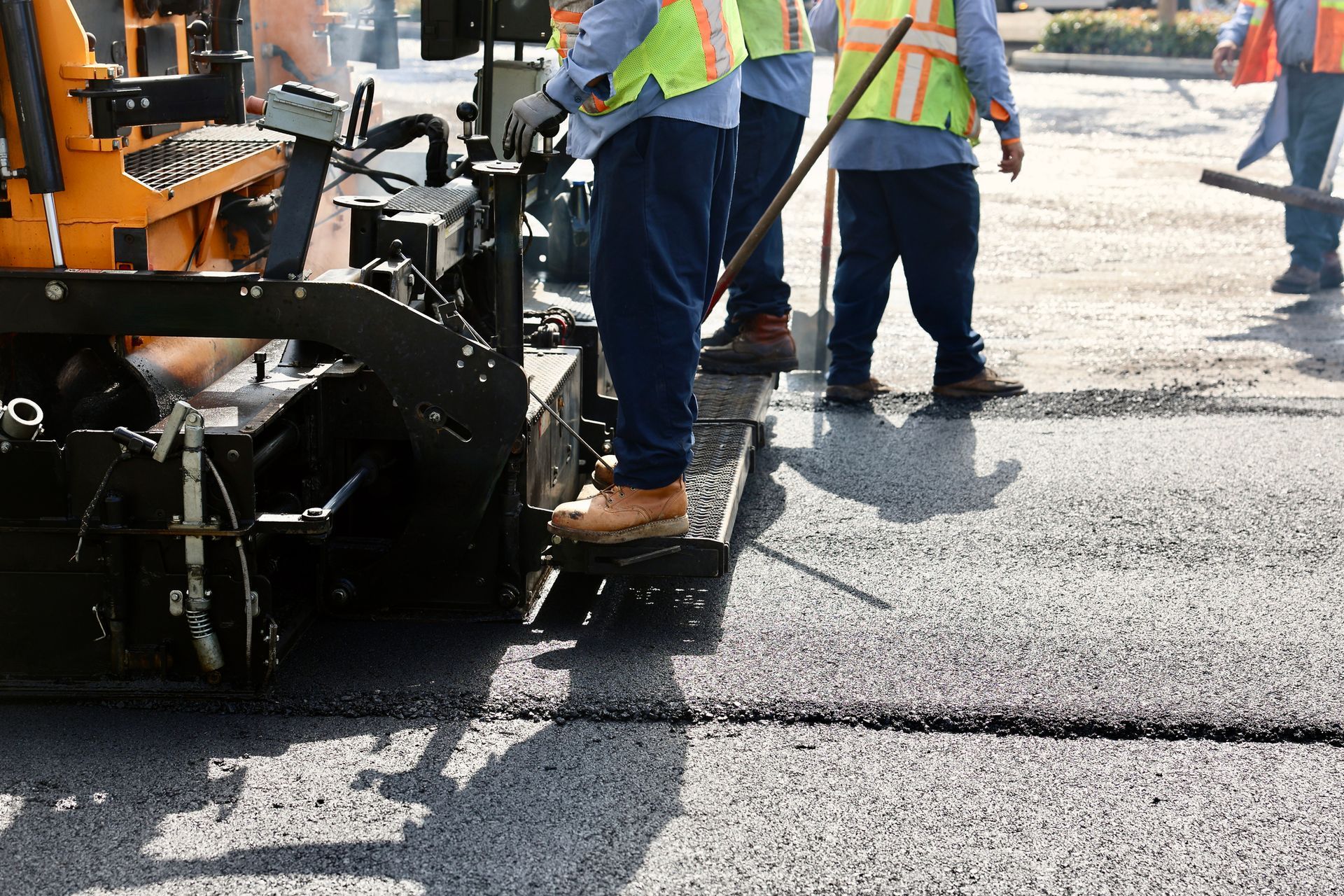
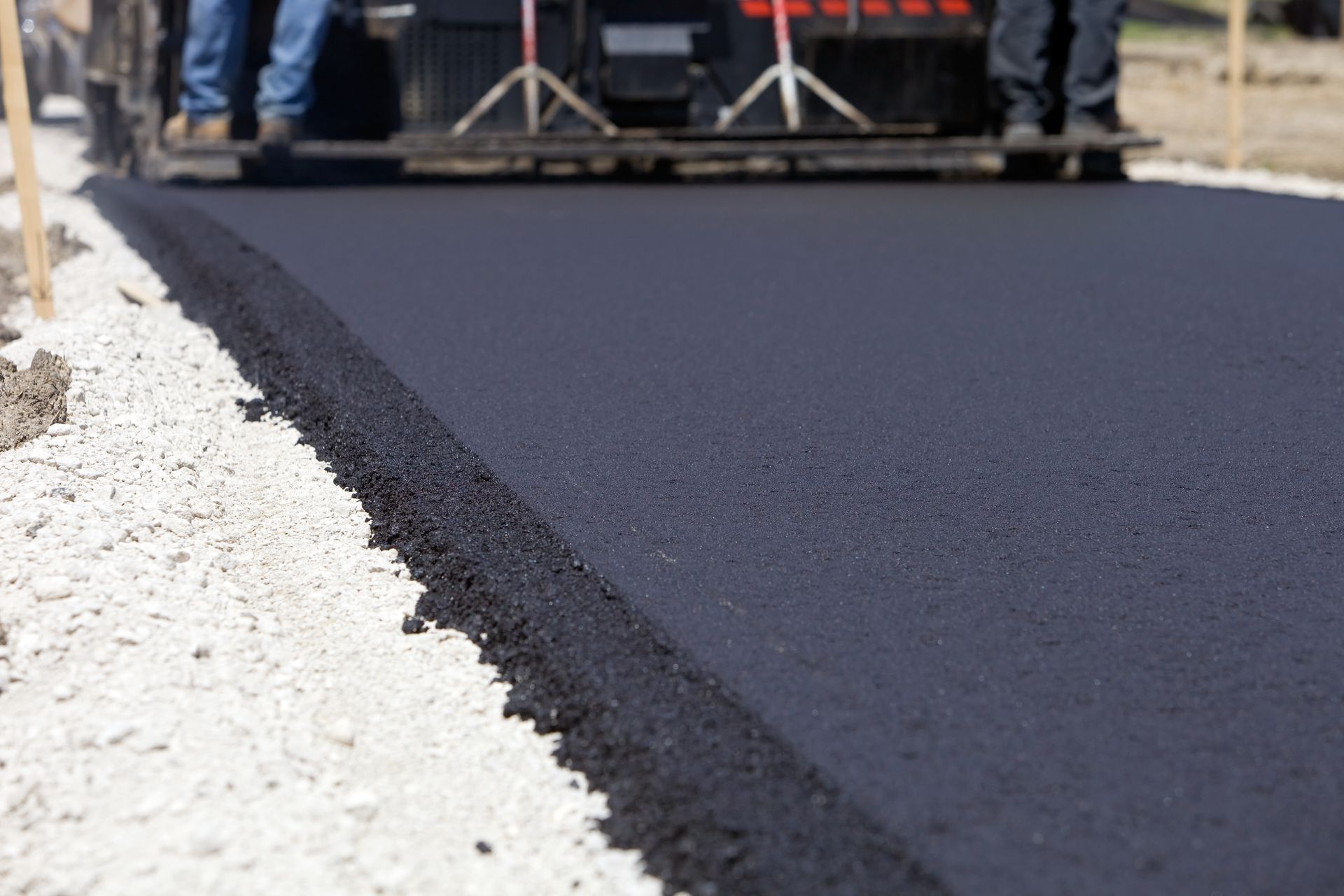
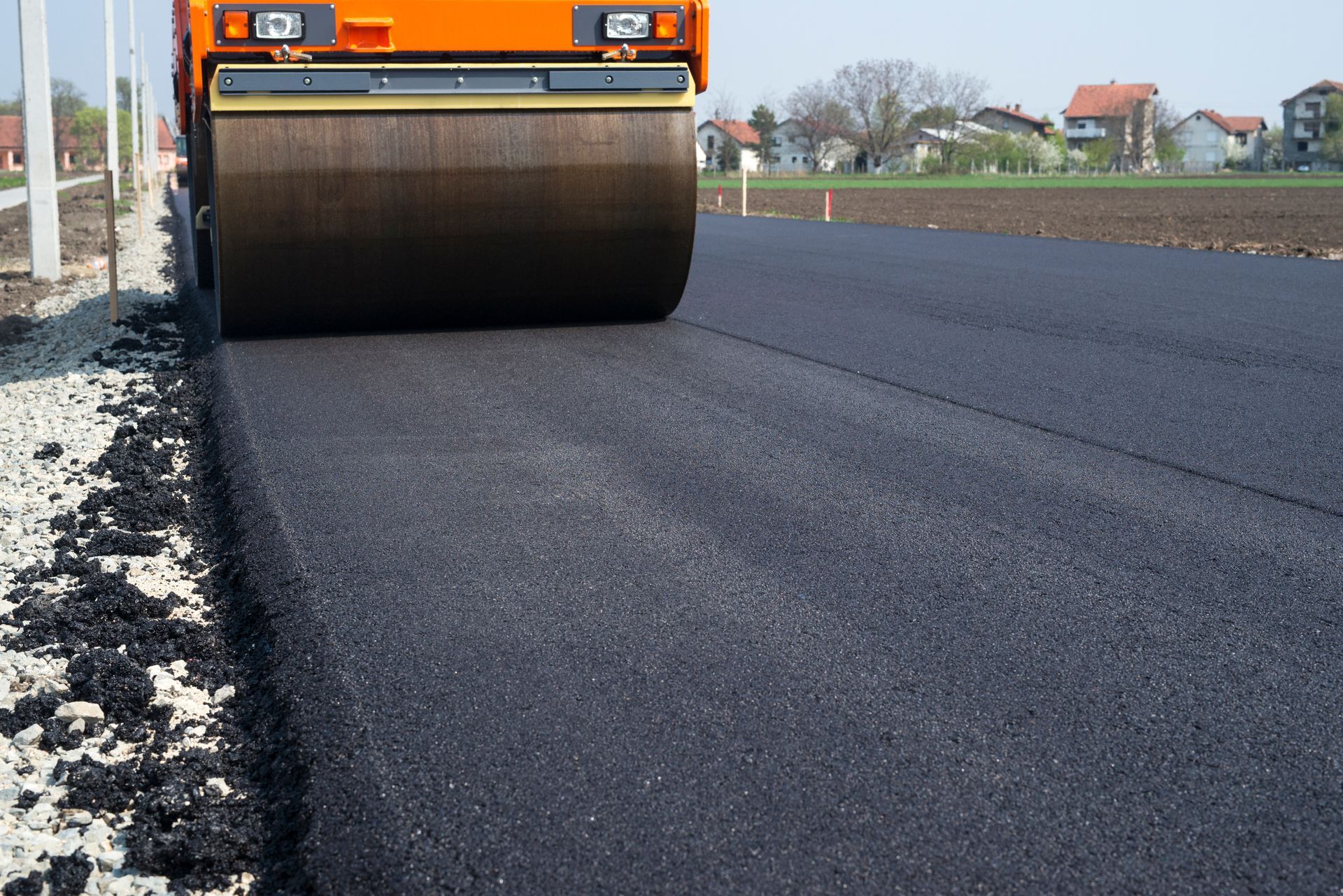
A contractor will first remove the existing asphalt. The sub-base is then inspected for soft spots, drainage issues, or erosion, and problem areas are repaired and compacted before new base material is added. Hot-mix asphalt is then applied in layers and compacted to create a smooth, durable surface. When homeowners invest in asphalt repaving in Hopkinton, MA, this thorough process is what separates a lasting result from a short-term patch. Learn more about
residential asphalt services available for Hopkinton homeowners.
Ready to Get a Professional Assessment for Your Hopkinton Driveway?
The best way to determine whether your driveway needs resurfacing or full repaving is to have it evaluated by a qualified contractor. Pioneer Paving & Sealcoating has spent over 30 years serving residential customers throughout Central Massachusetts, including Hopkinton, MA. The team can assess your driveway's sub-base condition, surface damage, and drainage, then provide an honest recommendation. Whether the answer is a simple overlay or full asphalt repaving in Hopkinton, MA, you'll have the information needed to make a confident decision.
Call
(508) 615-7325 or
request a free estimate online to schedule your consultation. You can also explore reviews and find
Pioneer Paving & Sealcoating on Google to hear from Hopkinton-area homeowners who have been through this decision firsthand.